
Specialist care for a toxic multinodular goitre in Nairobi
A toxic multinodular goitre is an enlarged thyroid containing several nodules that make thyroid hormone on their own — a common cause of an overactive thyroid, especially in older adults. It develops slowly and is very treatable. With the right tests to confirm it, a clear explanation and treatment matched to you, thyroid function can be restored and the risks of long-term overactivity avoided. We provide diagnosis, treatment and follow-up in one place.
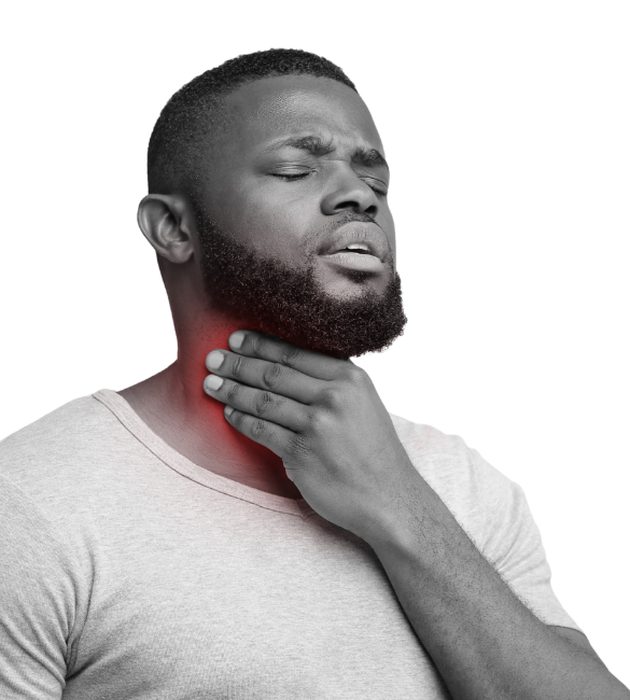
What is a toxic multinodular goitre?
A toxic multinodular goitre (TMNG) is a thyroid gland that has become enlarged and lumpy over many years and, within it, several nodules have started to produce thyroid hormone independently of the body's normal control system. Ordinarily the pituitary gland releases TSH to tell the thyroid how much hormone to make; in TMNG these autonomous nodules ignore that signal and keep producing hormone regardless, which gradually pushes the thyroid into overactivity (hyperthyroidism).
It almost always develops from a long-standing non-toxic multinodular goitre — an enlarged, nodular thyroid that at first works normally. Over time one or more of those nodules become autonomous and the gland tips from normal function into overactivity. The difference is functional: a non-toxic multinodular goitre has normal thyroid blood tests, while a toxic one shows a suppressed TSH with excess hormone.
Worth knowing
'Toxic' refers to hormone excess, not cancer or poison. It simply means the goitre is now producing enough thyroid hormone to make you overactive — the priority is controlling that overactivity.
Why a toxic multinodular goitre develops
- Progression from a long-standing non-toxic multinodular goitre, over many years
- Autonomous nodules caused by mutations in the TSH-receptor signalling pathway that switch them permanently 'on'
- Increasing age — TMNG becomes considerably more common in later life
- Iodine exposure, including iodine-containing contrast used in CT scans, which can trigger overactivity in a previously stable goitre (the 'Jod-Basedow' effect)
- A background of iodine deficiency, which favours nodular goitre in the first place
- Individual genetic susceptibility and a family history of thyroid disease
A gradual process
This is a gradual process spanning years — a nodular goitre may sit quietly for a long time before enough nodules become autonomous to affect you. Nothing you did caused it, and once identified it can be managed very effectively.
How an overactive thyroid shows itself
Heart & circulation
- Palpitations or a racing, pounding heartbeat
- An irregular heartbeat (atrial fibrillation), which is common with TMNG
- Breathlessness on exertion
- Raised blood pressure
Body & metabolism
- Unintentional weight loss despite a good appetite
- Feeling too warm and sweating easily
- Muscle weakness, especially in the thighs
- Tremor of the hands and, over time, thinning bones
Mind, mood & neck
- Anxiety, irritability, restlessness or insomnia
- Tiredness despite feeling 'wired'
- A visible neck swelling (goitre)
- Pressure symptoms — difficulty swallowing (dysphagia) or a tight throat
Because TMNG develops slowly, symptoms often creep up and are easily blamed on stress or ageing. Older adults in particular may have very few classic symptoms and instead show only tiredness, low mood or weight loss — so-called 'apathetic' hyperthyroidism — while the effects on the heart and bones still matter. If several of these ring true, it's worth having your thyroid checked properly.
Who develops a toxic multinodular goitre?
TMNG can affect anyone with a nodular thyroid, but some people are more likely to develop one.
- Older adults — TMNG is one of the commonest causes of hyperthyroidism in later life
- Anyone with a long-standing multinodular goitre
- Women, who develop thyroid nodules and goitre considerably more often than men
- A history of iodine deficiency, or a recent iodine load (e.g. contrast scans)
- A family history of goitre, thyroid nodules or thyroid disease
- Previous thyroid nodules or an enlarged thyroid noted in the past
Surveillance matters
If you have a known multinodular goitre, periodic checks of your thyroid function are worthwhile — they catch a goitre that is beginning to become overactive before it causes harm to your heart or bones.
How a toxic multinodular goitre is diagnosed
Diagnosing a toxic multinodular goitre combines how you feel with what the tests show. A specialist assessment of your symptoms and an examination of your neck come first, followed by thyroid function blood tests — typically a suppressed TSH with a raised free T4 and/or free T3, the biochemical signature of an overactive thyroid.
A high-resolution thyroid ultrasound then maps the goitre — the number, size and structure of the nodules and any features that need attention (assessed with the TI-RADS system) — while a radionuclide (uptake) thyroid scan confirms that the nodules are the source of the overactivity by showing several 'hot' areas with the rest of the gland suppressed. An ECG checks the heart for atrial fibrillation, and a bone-density scan is arranged for selected patients. In short: the ultrasound tells us about the anatomy, and the scan tells us about the function.
Anatomy and function, together
Because we perform the ultrasound ourselves and interpret the scan and blood tests together, we can usually confirm both that you have a toxic multinodular goitre and how it's affecting you — then explain exactly what it means and what to do.
What the tests tell us
Four assessments do most of the work in confirming a toxic multinodular goitre.
TSH
The pituitary's signal to the thyroid. In a toxic multinodular goitre it is characteristically low or fully suppressed, because the autonomous nodules are making hormone the body hasn't asked for.
Free T4 & Free T3
The active thyroid hormones. One or both are usually raised; sometimes only T3 is high ('T3 toxicosis'), which is why both are measured.
Thyroid ultrasound (TI-RADS)
Maps the size of the goitre and each nodule and screens for any suspicious features, using the same TI-RADS scoring applied to all thyroid nodules.
Radionuclide uptake scan
A nuclear-medicine scan that shows several 'hot' nodules with the surrounding gland switched off — confirming the goitre is autonomously overactive.
Understanding thyroid uptake scans
The words 'hot' and 'cold' come from the radionuclide uptake scan. A small amount of radioactive tracer is given, and the thyroid takes it up in proportion to how active each part is. In a toxic multinodular goitre the scan typically shows several 'hot' nodules taking up lots of tracer, while the normal thyroid tissue between them is suppressed and takes up very little — a patchy, uneven pattern that is characteristic of the condition.
The uptake scan complements the ultrasound rather than replacing it. The ultrasound shows the anatomy — how many nodules there are, their size and any suspicious features — while the scan shows which nodules are actually driving the overactivity. Together they tell us not just what the goitre looks like but how it is behaving, which is exactly what's needed to plan treatment.
Interpreting an uptake scan alongside the ultrasound and bloods — and knowing when a particular nodule still needs a biopsy — is exactly the judgement a thyroid specialist provides. See our guide to thyroid nodules and TI-RADS.
Hot vs cold at a glance
- Hot nodule — overactive, takes up lots of tracer, almost always benign
- Cold nodule — inactive, takes up little tracer, may need a biopsy
- TMNG typically shows multiple hot areas with the rest of the gland suppressed
- Ultrasound gives anatomy; the uptake scan gives function
Why treating it matters
- Atrial fibrillation — an irregular heartbeat that raises the risk of stroke
- Strain on the heart that, over years, can contribute to heart failure
- Thinning of the bones (osteoporosis) and a higher fracture risk
- Muscle wasting and unwanted weight loss
- Anxiety and disturbed sleep
- Gradual enlargement of the goitre, which can press on the windpipe or gullet
- Rarely, a 'thyroid storm' — a dangerous surge of overactivity, usually triggered by illness or an iodine load
Largely preventable
None of this is meant to alarm — it is the case for acting. Early treatment restores normal thyroid levels and removes these risks, which is why specialist assessment is worthwhile, particularly for the heart and bones in older adults.
Toxic multinodular goitre vs Graves' disease
Both cause an overactive thyroid, but the mechanism differs — and confirming which one you have shapes the tests, the scans and the treatment.
Toxic multinodular goitre
- Several autonomous nodules driving the overactivity
- More common in older adults with a long-standing goitre
- No thyroid-stimulating antibodies (TRAb negative)
- No thyroid eye disease
- Uptake scan shows multiple patchy 'hot' nodules; ultrasound shows a nodular gland
- Radioiodine or surgery are often favoured; RFA has a selective role
Graves' disease
- Autoimmune — antibodies stimulate the whole gland
- More common in younger and middle-aged adults
- Thyroid-stimulating antibodies present (TRAb positive)
- Can be associated with thyroid eye disease
- Uptake is diffuse and increased across the whole gland; ultrasound shows a smooth, vascular gland
- Antithyroid drugs, radioiodine or surgery are all used
Distinguishing the two matters because the treatments and follow-up differ. Read more about Graves' disease.
How a toxic multinodular goitre is treated
There are several effective treatments — the right one is matched to you.
Antithyroid medication & beta-blockers
Carbimazole calms hormone production and quickly settles symptoms, while a beta-blocker eases palpitations and tremor. This controls the overactivity but doesn't cure the goitre, which keeps working if the tablets stop — so medication is usually a bridge to a definitive treatment, or a longer-term option where that's preferred, especially in frail patients.
Radioiodine therapy
A capsule or drink of radioactive iodine that is taken up mainly by the overactive nodules and gradually reduces their function. It's a well-established, effective outpatient treatment often favoured for a multinodular goitre; the main consideration is that thyroid function is monitored afterwards, as some people later need hormone replacement.
Surgery
Removing part or all of the thyroid cures the overactivity definitively, relieves any pressure from a large goitre and provides tissue for analysis. It's a good option for a large or compressive goitre, or where other treatments aren't suitable, with the usual considerations of an operation under general anaesthetic.
Radiofrequency ablation (RFA)
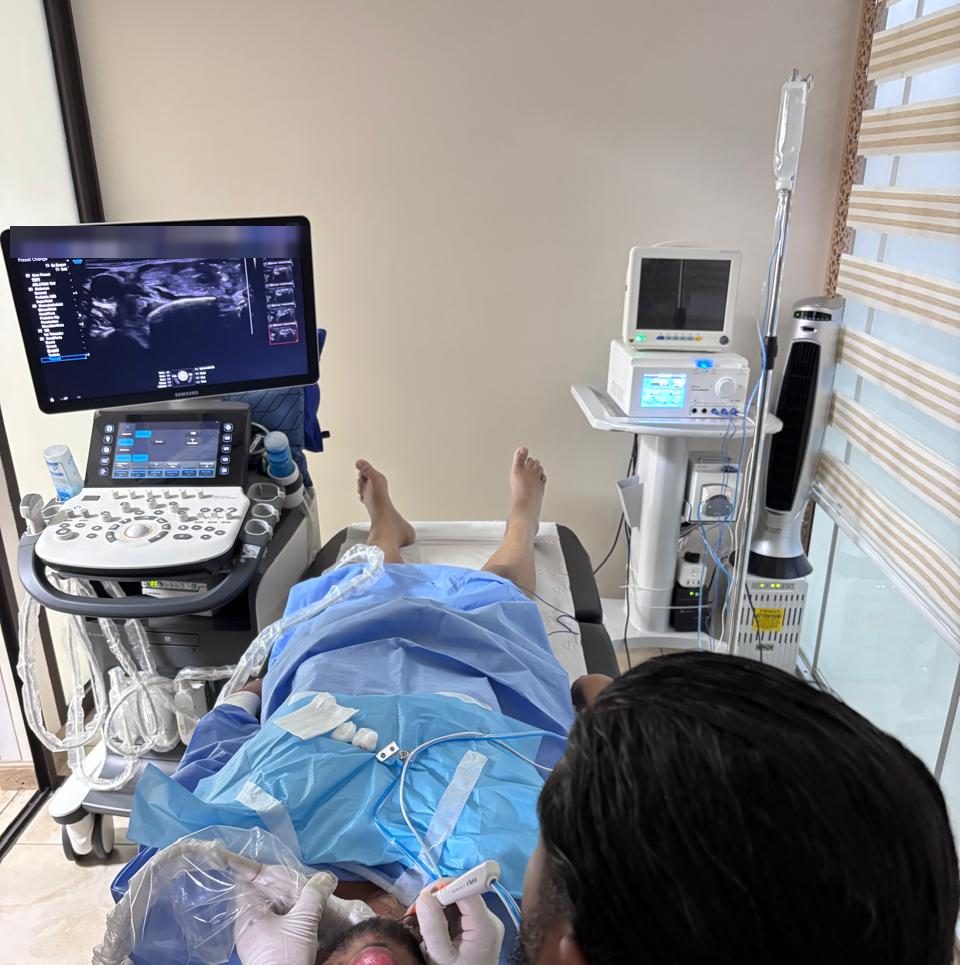
A minimally invasive, no-scar option that, in carefully selected patients, can target one or two dominant autonomously functioning nodules. Under local anaesthetic and live ultrasound guidance, controlled heat shrinks the nodule and reduces its hormone output while preserving surrounding healthy thyroid. Its role in TMNG is more selective than in a single toxic adenoma — we assess suitability at your review.
There is no single 'best' treatment — the right one depends on the size of the goitre, how many nodules are involved, your age and heart health, any pressure symptoms and your preferences. We talk you through the trade-offs honestly and match the treatment to you. Learn more about our non-surgical RFA procedure.
Can a toxic multinodular goitre be treated without surgery?
Often, yes — for selected patients. Radiofrequency ablation (RFA) can switch off an overactive ('hot') nodule and shrink it through a fine needle under local anaesthetic, with no scar and the rest of the thyroid preserved; many patients can then stop anti-thyroid medication. Thyroid Care Kenya in Nairobi is the first centre in Kenya to offer thyroid RFA.
RFA suits selected goitres where one or two dominant hot nodules drive the overactivity; radioiodine or surgery may suit a diffusely nodular gland better. See how RFA worked for a toxic nodule from Kigali. Which nodules can shrink without surgery?
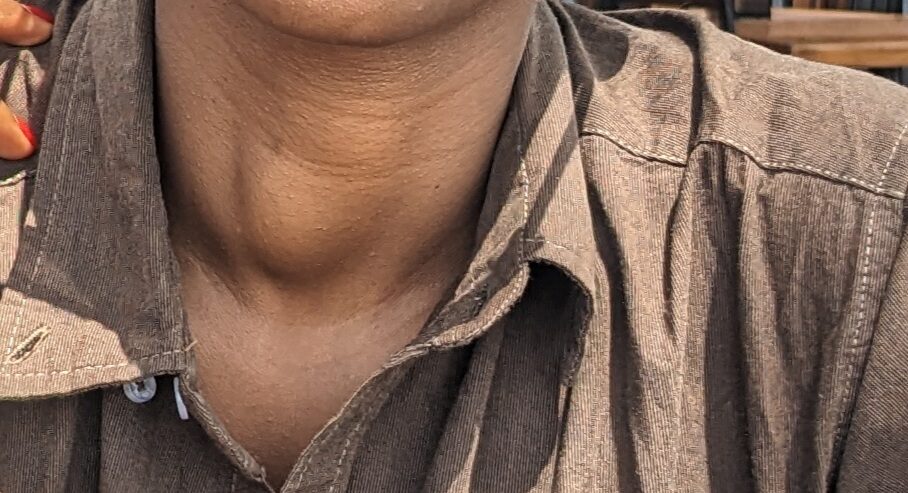
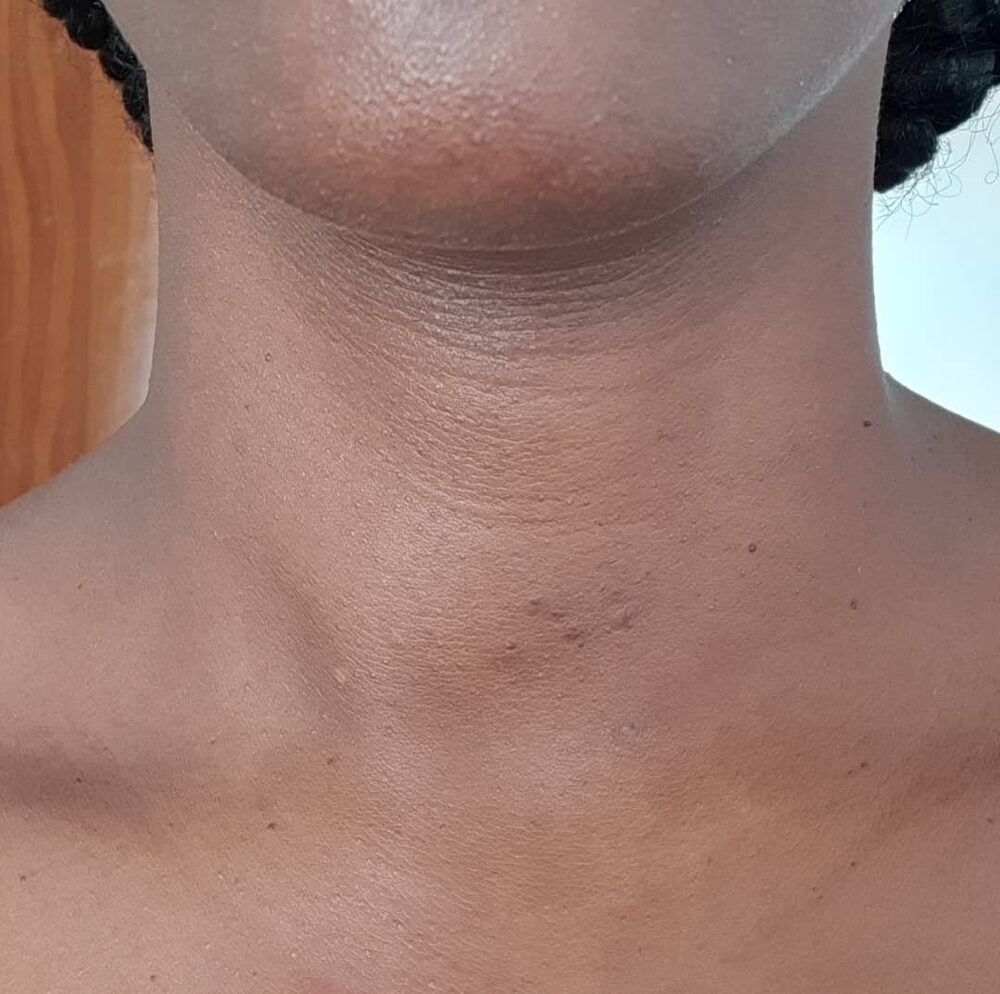
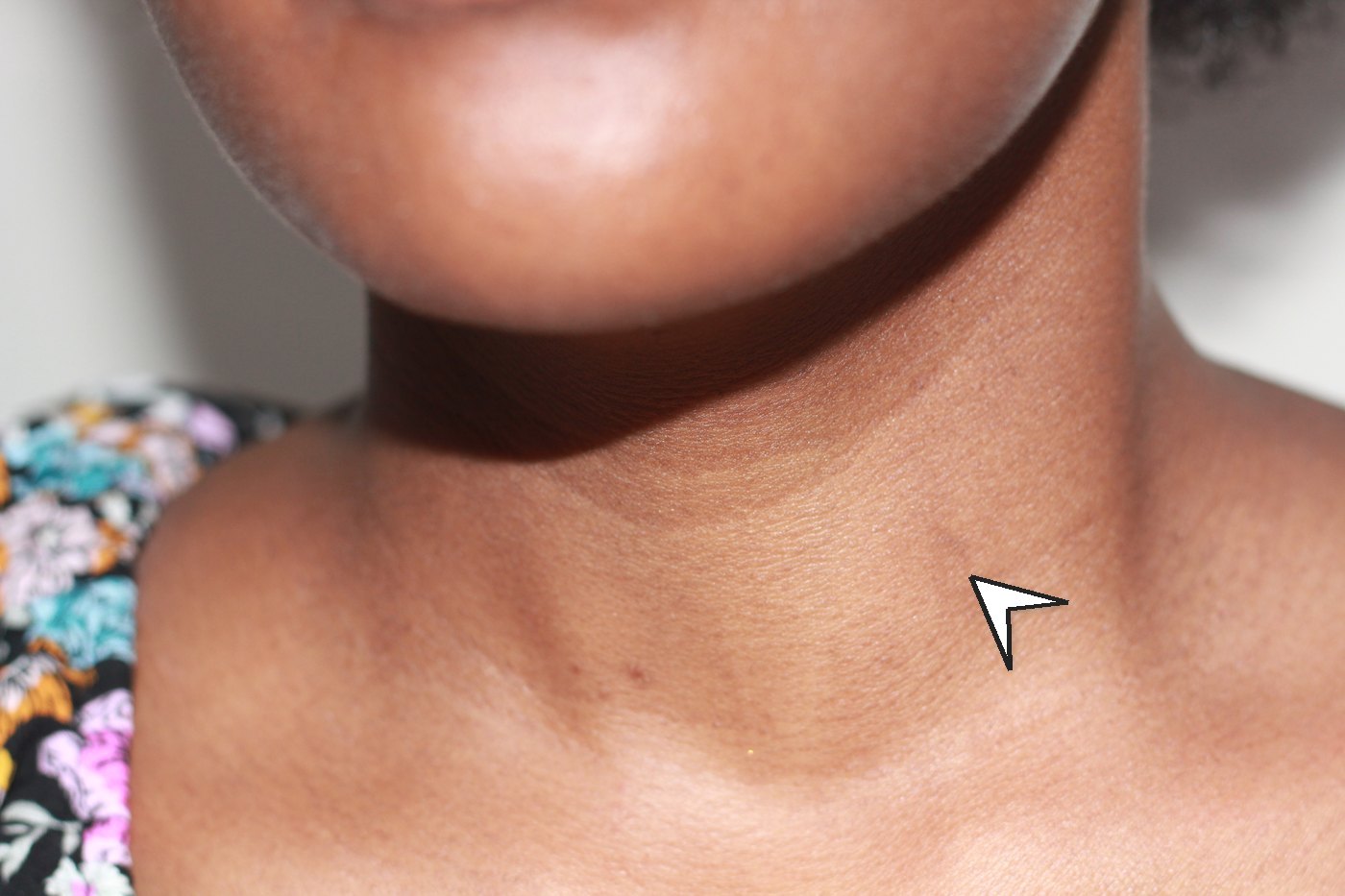
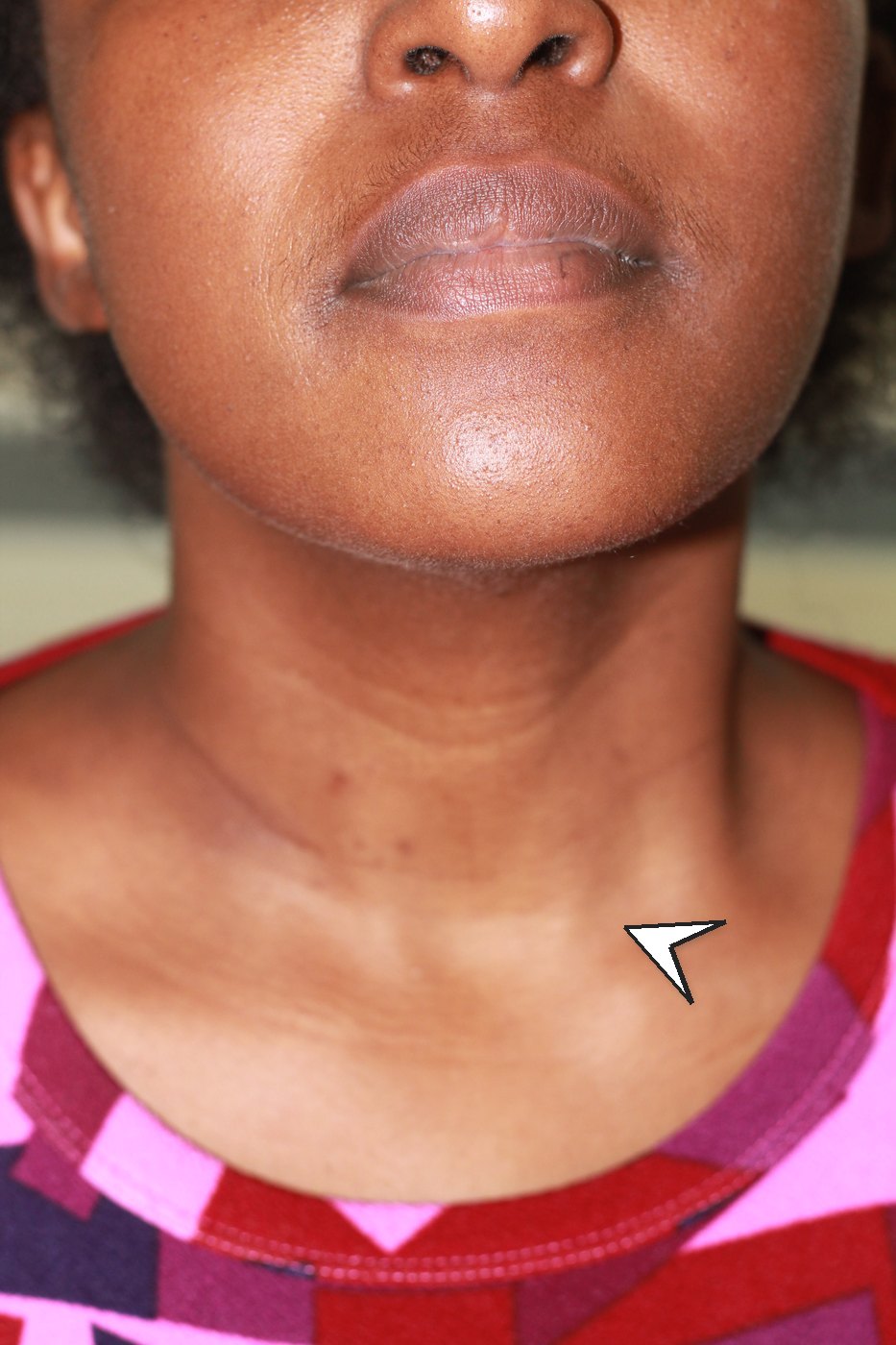
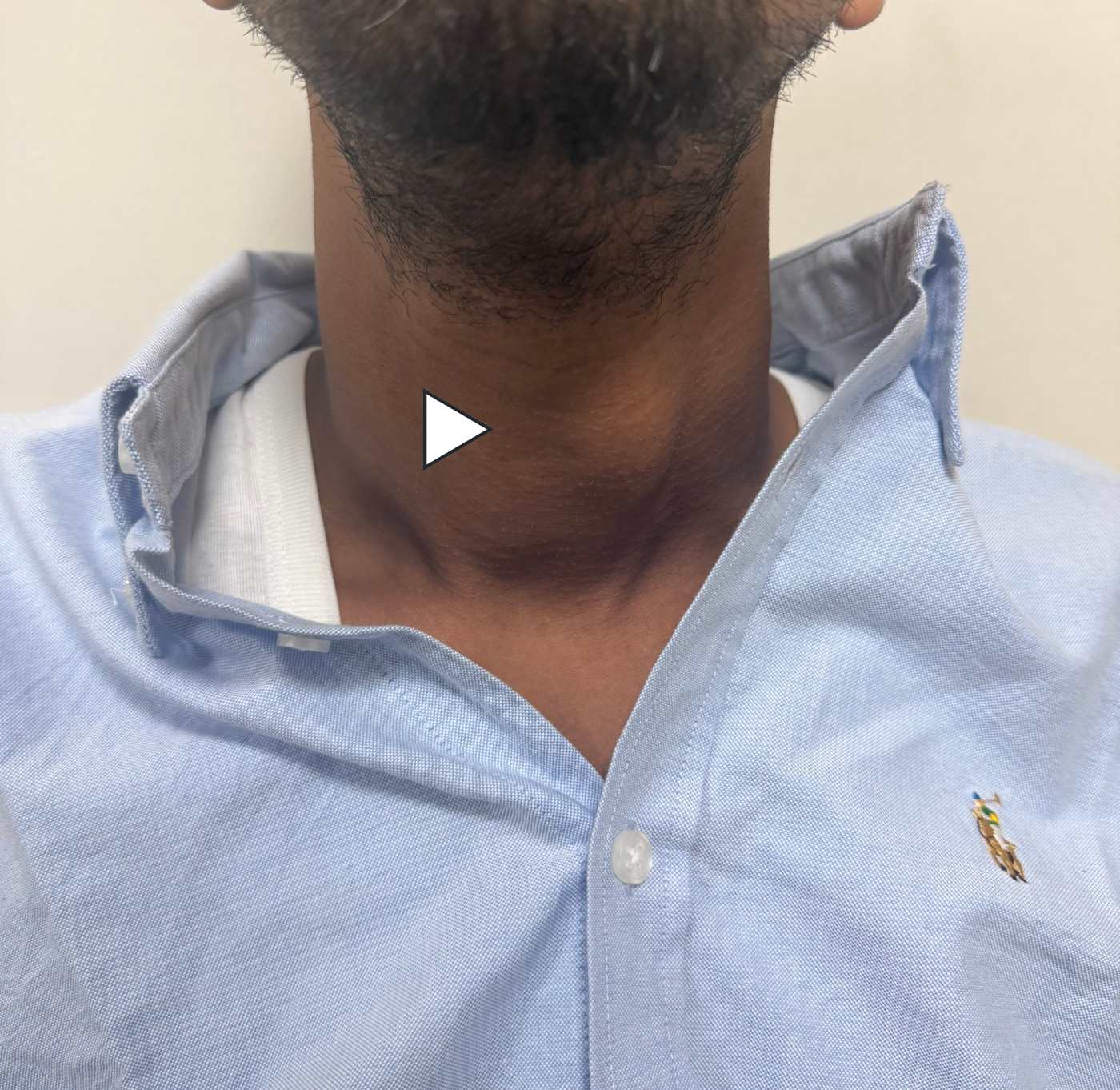
Living with a toxic multinodular goitre
Whether your goitre is treated with radioiodine, surgery, RFA or medication, sensible follow-up keeps you well and confirms the overactivity has settled.
- Periodic thyroid function tests to confirm normal levels and catch any recurrence early
- Ultrasound follow-up to check the goitre's size and appearance
- Attention to heart health, including a check for atrial fibrillation where relevant
- Bone-health advice after any prolonged period of overactivity
- A healthy, balanced diet with sensible iodine intake and good medication adherence
- Clear guidance on recovery and returning to normal activities after any procedure
Most people return to normal life once the goitre is treated and stay well with only occasional checks. We agree a clear monitoring plan with you and share it with your own doctor.
Toxic multinodular goitre — your questions answered
No. 'Toxic' refers to the goitre producing too much thyroid hormone, not to cancer. Autonomously functioning ('hot') nodules are almost always benign. Your specialist will still examine the ultrasound features of each nodule carefully, and biopsy any that look suspicious, but the overactivity itself is a hormone problem, not a cancer one.
'Toxic' simply means the goitre is producing enough thyroid hormone to make the thyroid overactive (hyperthyroidism) — it has nothing to do with poison. A non-toxic multinodular goitre is an enlarged, nodular thyroid with normal thyroid blood tests.
It's very unlikely to resolve by itself — the autonomous nodules keep producing hormone independently of the body's control, and usually more nodules become overactive over time. The overactivity can be controlled with medication, but a lasting solution generally needs a definitive treatment such as radioiodine, surgery or, in selected cases, RFA.
Antithyroid tablets control the overactivity but don't cure it, so on their own they're usually a long-term or bridging measure. Many patients choose a definitive treatment — radioiodine or surgery — which resolves the problem; if the thyroid becomes underactive afterwards, a simple daily levothyroxine tablet restores normal levels. We discuss which path suits you best.
Not always. Surgery is an excellent option for a large or compressive goitre, or where other treatments aren't suitable, but radioiodine is often equally effective without an operation, and RFA may target one or two dominant nodules in selected patients. The right choice depends on the size of the goitre, your age and heart health, any pressure symptoms and your preferences.
Yes — this is one of the main reasons to treat it. A toxic multinodular goitre commonly causes an irregular heartbeat (atrial fibrillation), particularly in older adults, and long-standing overactivity strains the heart. Treating the goitre and restoring normal thyroid levels reduces these risks, which is why we check the heart as part of your assessment.
RFA can be considered when one or two dominant autonomously functioning nodules are driving the overactivity and are suitable in size and position. Its role in a multinodular goitre is more selective than in a single toxic adenoma, because several nodules may be involved. We assess your ultrasound and uptake scan at your review and advise honestly whether RFA, radioiodine or surgery is the better fit.
After radioiodine or surgery, recurrence of overactivity is uncommon but possible, which is why we monitor your thyroid function afterwards. If overactivity returns, it can be re-assessed and treated again. Ongoing checks catch any recurrence early.
It depends on the treatment. Radioiodine and larger operations carry a higher chance of the thyroid becoming underactive afterwards, in which case a simple daily levothyroxine tablet restores normal levels. Treatments that preserve healthy thyroid tissue, such as RFA or removing only part of the gland, aim to keep your own thyroid working.
Both cause an overactive thyroid, but the mechanism differs. A toxic multinodular goitre is driven by several autonomous nodules making hormone on their own, usually in older adults, whereas Graves' disease is an autoimmune condition in which antibodies stimulate the whole gland, often in younger people and sometimes with eye involvement. The tests, scans and treatment differ, which is why confirming the cause matters.
No — you're welcome to book directly. If you have recent thyroid results, ultrasound reports or a scan, bring them along, as they help us assess and plan quickly.
Specialist goitre care, all in one place
- Consultant endocrinologist with dedicated thyroid and hyperthyroidism expertise
- High-resolution thyroid ultrasound performed and interpreted in-house
- Radionuclide uptake-scan interpretation combined with your bloods and imaging in one assessment
- One of the few centres in the region offering thyroid RFA assessment for suitable nodules
- An honest, personalised discussion of medication, radioiodine, surgery and RFA
- Structured long-term follow-up, with clear communication back to your own doctor
How your care works
Assess
A specialist review of your symptoms, heart and neck.
Confirm
Bloods, ultrasound and an uptake scan confirm the hot nodules.
Choose
We match medication, radioiodine, surgery or RFA to you.
Follow up
Structured checks confirm normal thyroid function is restored.

Dr. Ebrahim Yusuf Ebrahim
Consultant Physician · Interventional Endocrinologist & Diabetologist
One of the first doctors in Kenya to bring minimally invasive thermal ablation — microwave and radiofrequency — to the treatment of thyroid nodules and goitre, sparing patients from surgery. He provides consultant-led care for toxic multinodular goitre and hyperthyroidism — combining specialist assessment, thyroid ultrasound and, where suitable, minimally invasive radiofrequency ablation.
- MMed, Internal Medicine — University of Nairobi
- PG Diploma, Endocrinology & Diabetes — Royal College of Physicians, Ireland
- Fellowship, Endocrinology & Diabetes — University of Alexandria, Egypt
- Certificate in Interventional Thyroidology — Mumbai, India
- Special focus: thermal ablation (RFA & microwave) for thyroid nodules
Refer a patient with a toxic multinodular goitre
We welcome referrals of patients with a suspected or confirmed toxic multinodular goitre from family physicians, general physicians, cardiologists, surgeons and nuclear medicine teams. Your patient receives consultant assessment, in-house ultrasound, integrated interpretation of their uptake scan and bloods, and a clear treatment plan — including RFA assessment where appropriate — with shared-care communication back to you.
Complete functional & anatomical work-up
Thyroid function, TI-RADS ultrasound and radionuclide-scan interpretation to confirm autonomous nodules and their effect on the patient.
The full range of treatments
An honest discussion of antithyroid medication, radioiodine, surgery and RFA, with candidacy assessment for minimally invasive ablation.
Simple to refer
Share the clinical details and any recent thyroid results or imaging on WhatsApp or email; we assess promptly and report back clearly.
Shared, ongoing care
We confirm the diagnosis and plan, treat, then return your patient to you with a clear monitoring schedule.
Book your toxic multinodular goitre consultation
If you have symptoms of an overactive thyroid, or a known multinodular goitre that may be becoming autonomous, booking is simple. Message us on WhatsApp or book online, and we'll arrange an assessment — often within a few days. Your consultation covers your history and examination, a review of your blood tests, an ultrasound and any radionuclide imaging, and a clear discussion of medication, radioiodine, surgery and RFA.
Bring any recent thyroid blood tests, ultrasound reports or scans if you have them; they help us move quickly. Not sure whether your symptoms need review? Message us and we'll advise honestly — no obligation.
Where to find us
Doctors Park, 3rd Floor, 3rd Parklands Avenue, Nairobi
+254 706 651 416
+254 711 781 299
Languages: English · Kiswahili · Somali
Medically reviewed by Dr. Ebrahim Yusuf Ebrahim, Consultant Physician & Interventional Endocrinologist. Clinical figures are ranges from peer-reviewed studies, provided for general education — individual results vary and are confirmed at your review.
Related conditions & services
Restore normal thyroid function — with the right treatment for you
A toxic multinodular goitre is highly treatable. Book a consultation online, or send us your recent thyroid results and scan on WhatsApp and we'll advise honestly on the next step.
