
Specialist care for Hashimoto's thyroiditis in Nairobi
Hashimoto's thyroiditis is the most common cause of an underactive thyroid — an autoimmune condition in which the immune system gradually affects the thyroid gland. It's very manageable: with the right tests, a clear explanation and treatment only when it's actually needed, most people feel well and stay well. We provide diagnosis, treatment and long-term follow-up in one place.
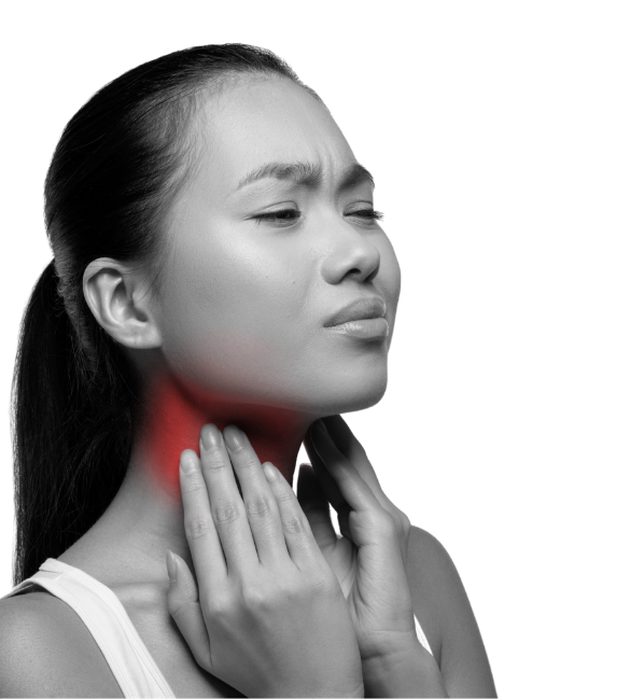
What is Hashimoto's thyroiditis?
Hashimoto's thyroiditis is an autoimmune condition in which the immune system produces antibodies against the thyroid — chiefly thyroid peroxidase (TPO) antibodies. Over time this can reduce the gland's ability to make thyroid hormone, which is why Hashimoto's is the commonest cause of hypothyroidism (an underactive thyroid). It's named after Dr Hakaru Hashimoto, who first described it over a century ago.
It usually develops slowly, often over years, and is far more common in women. Many people have thyroid antibodies and a normal, well-functioning thyroid for a long time; others gradually become underactive and need treatment. Understanding where you sit on that spectrum — and being monitored sensibly — is the whole point of specialist care.
Worth knowing
Having Hashimoto's does not automatically mean you need medication. It means your thyroid deserves an eye kept on it — so that if it does slow down, we catch it early and treat it well.
Why Hashimoto's occurs
- Thyroid autoantibodies — especially TPO antibodies — that gradually affect the gland
- A genetic predisposition; it often runs in families and alongside other autoimmune conditions
- Sex and age — far more common in women, and increasingly likely with age
- Pregnancy and the postpartum period, which can trigger or unmask it
- Other autoimmune disease — type 1 diabetes, coeliac disease, vitiligo and pernicious anaemia are associated
- Iodine intake and, in some people, environmental triggers
None of this is your fault
You cannot cause Hashimoto's by anything you did, and you cannot fully prevent it — but you can absolutely manage it well. Knowing you have it is the first and most valuable step.
How an underactive thyroid shows itself
Energy & metabolism
- Tiredness and low energy
- Weight gain or difficulty losing weight
- Feeling the cold more than others
- Constipation
Body & appearance
- Dry skin and brittle hair or nails
- A puffy face or hoarse voice
- Muscle aches and stiffness
- A swelling in the neck (goitre)
Mind, mood & cycles
- Low mood or 'brain fog'
- Poor concentration and memory
- Heavier or irregular periods
- Fertility difficulties
Symptoms come on so gradually they're easily put down to stress, age or a busy life. Many people with early Hashimoto's have no symptoms at all — which is exactly why the blood tests matter. If several of these ring true, it's worth having your thyroid checked properly.
How Hashimoto's is diagnosed
Diagnosing Hashimoto's is usually straightforward, and starts with a specialist assessment of your symptoms and history. A simple set of blood tests shows how the thyroid is working, and testing for thyroid antibodies — particularly TPO antibodies — confirms that the cause is autoimmune.
A high-resolution thyroid ultrasound adds valuable detail: Hashimoto's has a characteristic appearance on the scan, and imaging also checks the size of the gland and looks for any nodules. Together, the antibodies, the thyroid function and the ultrasound give a complete picture — often at the same visit.
Answers in one visit
Because we perform the ultrasound ourselves, we can usually confirm both the diagnosis and how your thyroid is currently working in a single appointment — and explain exactly what it means for you.
What the thyroid blood tests mean
Four tests do most of the work in diagnosing and monitoring Hashimoto's.
TSH
The pituitary's signal to the thyroid, and the most sensitive early marker. A raised TSH is often the first sign the thyroid is starting to slow down.
Free T4 (FT4)
The main thyroid hormone. It stays normal in early or subclinical Hashimoto's and falls once the thyroid becomes clearly underactive.
TPO antibodies
Thyroid peroxidase antibodies. A positive result confirms autoimmune thyroid disease — the hallmark of Hashimoto's.
Thyroglobulin antibodies
A second thyroid antibody, sometimes positive when TPO is not, adding weight to the diagnosis in less clear-cut cases.
What thyroid ultrasound shows
On ultrasound, a thyroid affected by Hashimoto's looks different from a healthy one. Instead of the uniform, bright appearance of a normal gland, it typically becomes darker (hypoechoic) and more uneven (heterogeneous) in texture, often with fine internal bands.
The scan also measures the gland — which may be enlarged early on, or shrunken later — and identifies any nodules, distinguishing the harmless 'pseudonodules' common in Hashimoto's from ones that need their own assessment. It's a painless, radiation-free way to confirm the pattern and keep an eye on any changes.
Distinguishing a benign Hashimoto's pseudonodule from a nodule that genuinely needs evaluation is a good example of why a specialist-performed scan matters. See our guide to the thyroid nodules and TI-RADS.
The Hashimoto's pattern
- Darker, hypoechoic gland compared with normal thyroid
- A heterogeneous, uneven texture with fine bands
- Gland size — enlarged early, sometimes shrunken later
- 'Pseudonodules' told apart from nodules needing assessment
Does Hashimoto's always need treating?
Here's the reassurance worth stating clearly: Hashimoto's does not always cause hypothyroidism, and it is not always treated. Whether you need medication depends entirely on how your thyroid is actually working — which is why we treat the person and the numbers, not simply the antibodies.
Not everyone needs treatment
Many people with Hashimoto's have positive antibodies but a normal, well-functioning thyroid — and need monitoring, not medication. Some have 'subclinical' hypothyroidism (a mildly raised TSH with normal T4), where whether to treat is an individual decision. Only when the thyroid is genuinely underactive is treatment clearly needed.
When and how we treat
When treatment is needed, it's simple and effective: levothyroxine, a daily tablet that replaces exactly the hormone your thyroid isn't making. The dose is tailored to you and fine-tuned with blood tests until you feel well and your levels are right — then kept under review. It's safe, well-established and, taken correctly, restores normal thyroid levels.
Levothyroxine works beautifully when it's absorbed — take it on an empty stomach, ideally 30–60 minutes before food, and keep the brand consistent.
There's no cure for the underlying autoimmunity, and no medication or supplement reliably lowers antibody levels — but that isn't the goal. The goal is a thyroid that works normally and a you that feels well, and that is very achievable. Read more about living with an underactive thyroid.
What actually helps — and what doesn't
There's a great deal of noise online about 'Hashimoto's diets'. Here is the honest, evidence-based picture — so you can focus on what genuinely helps.
- Eat a normal, balanced diet — no single 'thyroid diet' has been shown to reverse Hashimoto's
- Don't take high-dose iodine or kelp supplements; excess iodine can worsen autoimmune thyroid disease
- If you have coeliac disease (more common with Hashimoto's), a gluten-free diet matters — otherwise it's not routinely needed
- Selenium supplements may modestly lower antibodies in some people, but aren't a cure; discuss before starting
- Keep active, prioritise sleep and manage stress — they help you feel well and support general health
- Be wary of expensive 'thyroid support' supplements and elimination diets that promise a cure
The thing that matters most
The single most important thing isn't a diet at all — it's proper diagnosis, sensible monitoring, and correct treatment when it's needed.
Hashimoto's and pregnancy
Hashimoto's matters around pregnancy, and this is where careful specialist monitoring really counts. Thyroid antibodies and an underactive thyroid — even a mild, subclinical one — can affect fertility and pregnancy, so getting your thyroid right before and during pregnancy is important for both you and your baby.
If you're on levothyroxine, the dose usually needs to increase early in pregnancy — often by around a quarter to a third — and levels are checked regularly through each trimester. Women with thyroid antibodies but normal function are monitored too, as some become underactive during pregnancy or develop postpartum thyroiditis afterwards.
Plan ahead
If you have Hashimoto's or thyroid antibodies and are planning a pregnancy, arrange a pre-conception review. Optimising your thyroid beforehand is one of the most valuable things you can do.
Monitoring Hashimoto's over time
Hashimoto's is a long-term condition, and sensible follow-up is the key to staying well — whether or not you currently need treatment.
- Periodic thyroid function tests to catch a gland that's beginning to slow down
- For those on levothyroxine, checks to keep your dose and levels right as needs change
- More frequent monitoring around pregnancy and in the year after delivery
- Attention to associated autoimmune conditions where symptoms suggest them
- A check on the gland and any nodules with ultrasound when indicated
- Clear advice on what symptoms should prompt an earlier review
With the right monitoring, Hashimoto's is very manageable — and the great majority of people live completely normal, healthy lives.
Hashimoto's thyroiditis — your questions answered
For the great majority of people it's a very manageable long-term condition, not a dangerous one. Its main effect is a gradual tendency towards an underactive thyroid, which is easily and effectively treated. With sensible monitoring, people with Hashimoto's live normal, healthy lives.
No. Many people have thyroid antibodies but a normal, well-functioning thyroid and need only monitoring. Medication (levothyroxine) is needed when the thyroid becomes genuinely underactive. Whether to treat mild 'subclinical' cases is an individual decision your specialist will discuss with you.
There's no cure for the underlying autoimmunity, and no supplement reliably removes the antibodies — but that isn't the aim. The aim is normal thyroid function and feeling well, which is very achievable. When treatment is needed, levothyroxine restores your levels reliably.
If your thyroid has become underactive, then usually yes — but it's a simple daily tablet that replaces exactly what your thyroid isn't making, is safe long-term, and lets you feel completely normal. The dose is tailored to you and reviewed over time.
There's a genetic component — it often runs in families and alongside other autoimmune conditions — but genes are only part of it. Having a relative with Hashimoto's raises your risk without meaning you'll definitely develop it.
Hypothyroidism means an underactive thyroid — a state with several causes. Hashimoto's is the specific autoimmune condition that is the most common cause of it. You can have Hashimoto's antibodies with normal thyroid function, so the two aren't the same thing.
No single 'Hashimoto's diet' has been shown to reverse the condition. Eat a normal balanced diet, avoid high-dose iodine or kelp supplements, and follow a gluten-free diet only if you also have coeliac disease. Be cautious of expensive supplements promising a cure.
Avoid high-dose iodine — it can worsen autoimmune thyroid disease. Selenium may modestly lower antibodies in some people but isn't a cure, so discuss it with your specialist before starting. Most people need neither.
It can. An underactive thyroid may cause heavier or irregular periods and can affect fertility, which is why getting thyroid levels right matters if you're trying to conceive. Most fertility effects improve once the thyroid is properly treated.
Yes — the great majority do. The key is getting your thyroid optimised before conceiving and monitored closely throughout, as levothyroxine doses often need to rise in pregnancy. Arrange a pre-conception review so everything is in order in advance.
Occasionally, early on, there can be a temporary phase of overactivity ('hashitoxicosis') as hormone leaks from the gland, before it settles or becomes underactive. It's usually mild and short-lived, but worth assessing properly if symptoms suggest it.
No — you're welcome to book directly. If you have recent thyroid results, antibody tests or previous scans, bring them along, as they help us assess and plan quickly.
Specialist Hashimoto's care, all in one place
- Consultant endocrinologist with dedicated thyroid expertise
- Full diagnostics in one place — TSH, FT4, thyroid antibodies and specialist ultrasound
- An honest, evidence-based approach — treatment only when it's genuinely needed
- Careful dosing and review of levothyroxine, so you actually feel well
- Proactive management around pregnancy and the postpartum period
- Structured long-term monitoring, catching an underactive thyroid early
How your care works
Assess
A specialist review of your symptoms, history and risk.
Confirm
Antibodies, thyroid function and ultrasound confirm Hashimoto's.
Decide
Treat only if the thyroid is genuinely underactive — or monitor.
Follow up
Structured review of your levels, dose and any changes.
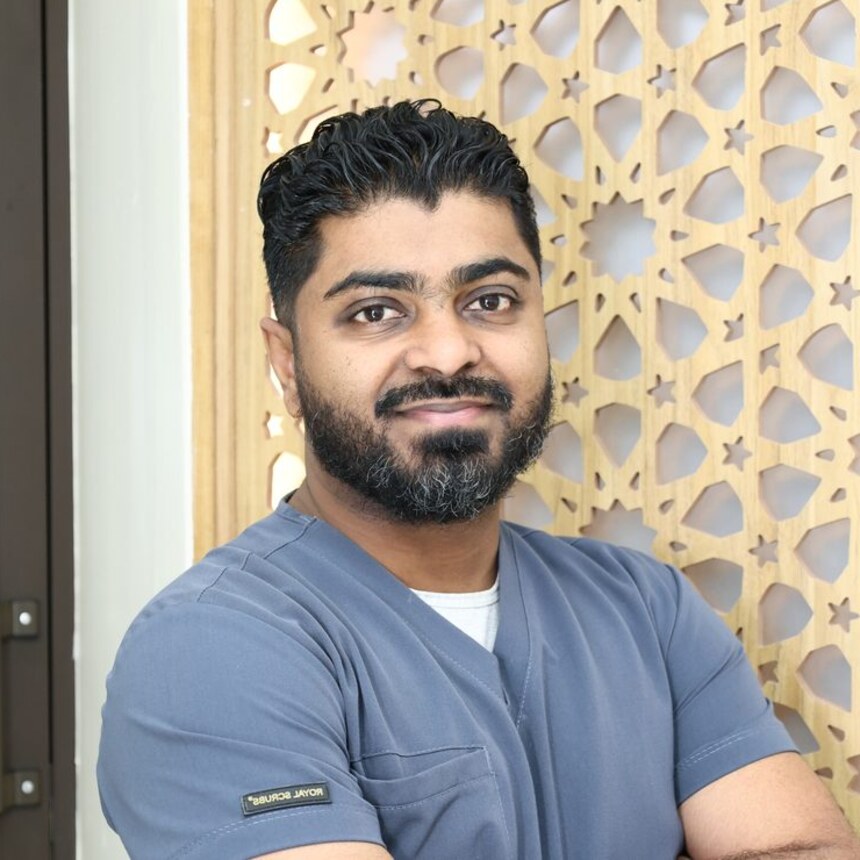
Dr. Ebrahim Yusuf Ebrahim
Consultant Physician · Interventional Endocrinologist & Diabetologist
One of the first doctors in Kenya to bring minimally invasive thermal ablation — microwave and radiofrequency — to the treatment of thyroid nodules and goitre, sparing patients from surgery. He provides consultant-led care for Hashimoto's thyroiditis and hypothyroidism — combining specialist assessment, thyroid ultrasound and carefully judged treatment.
- MMed, Internal Medicine — University of Nairobi
- PG Diploma, Endocrinology & Diabetes — Royal College of Physicians, Ireland
- Fellowship, Endocrinology & Diabetes — University of Alexandria, Egypt
- Certificate in Interventional Thyroidology — Mumbai, India
- Special focus: thermal ablation (RFA & microwave) for thyroid nodules
Refer a patient with Hashimoto's
We welcome referrals of patients with suspected or confirmed Hashimoto's thyroiditis from family physicians and other clinicians. Your patient receives consultant assessment, full diagnostics and clear, evidence-based advice on whether treatment is needed — with shared-care communication back to you.
Clear diagnostic assessment
Thyroid function, TPO/thyroglobulin antibodies and same-visit ultrasound to confirm autoimmune thyroid disease and its current effect.
Sensible treatment decisions
Evidence-based guidance on subclinical versus overt hypothyroidism, and careful levothyroxine initiation and titration where indicated.
Simple to refer
Share the clinical details and any recent thyroid results on WhatsApp or email; we assess promptly and report back clearly.
Shared, ongoing care
We confirm the diagnosis and plan, then return your patient to you with a clear monitoring schedule for primary care.
Book your Hashimoto's consultation
If you have symptoms of an underactive thyroid, a family history of thyroid disease, or a diagnosis of Hashimoto's and want specialist care, booking is simple. Message us on WhatsApp or book online, and we'll arrange an assessment — often within a few days.
Bring any recent thyroid blood tests, antibody results or previous scans if you have them; they help us move quickly. Not sure whether your symptoms need review? Message us and we'll advise honestly — no obligation.
Where to find us
Doctors Park, 3rd Floor, 3rd Parklands Avenue, Nairobi
+254 706 651 416
+254 711 781 299
Languages: English · Kiswahili · Somali
Medically reviewed by Dr. Ebrahim Yusuf Ebrahim, Consultant Physician & Interventional Endocrinologist. Clinical figures are ranges from peer-reviewed studies, provided for general education — individual results vary and are confirmed at your review.
Related conditions & services
Understand your thyroid — and treat it only when needed
Hashimoto's is very manageable with the right specialist care. Book a consultation online, or send us your recent thyroid results on WhatsApp and we'll advise honestly on the next step.
