
Specialist care for thyroid eye disease in Nairobi
Thyroid eye disease — also called Graves' orbitopathy or thyroid orbitopathy — is inflammation of the tissues around the eyes linked to autoimmune thyroid disease. Recognised and managed early, it usually settles well and your sight is protected. We provide expert assessment, Clinical Activity Score grading and coordinated endocrine and ophthalmology care, all in one place.
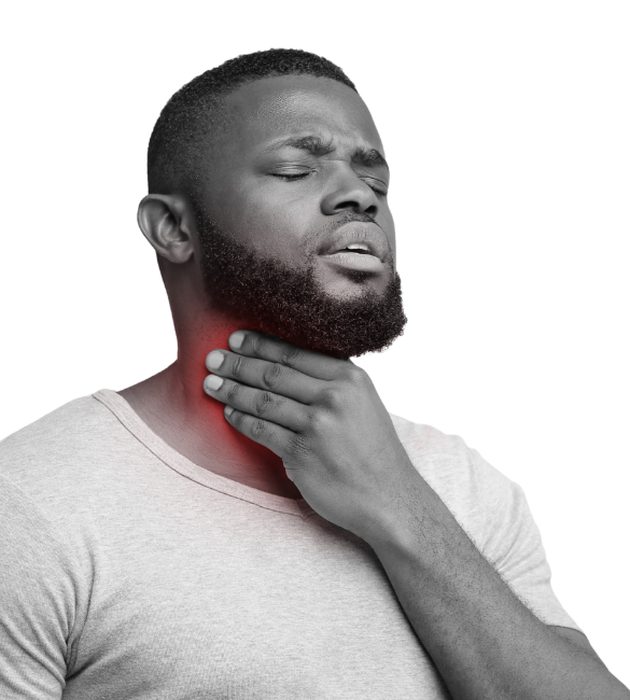
What is thyroid eye disease?
Thyroid eye disease (TED) is an autoimmune condition in which the immune system inflames the muscles and fatty tissue inside the eye socket (the orbit). The same antibody process that drives Graves' disease also targets tissues behind and around the eyes, causing them to swell. This can make the eyes look red, puffy or prominent, and can affect comfort and, less often, vision.
TED typically runs through two phases. There is an early active phase — usually lasting several months to a couple of years — when inflammation is changing and treatment can make a real difference. This is followed by a stable (inactive) phase, when the inflammation has burnt out and any remaining changes, such as a degree of eye prominence, can be addressed with rehabilitative surgery if needed.
Worth knowing
Reassurance worth hearing first: most thyroid eye disease is mild and improves with simple measures. Only a small minority becomes severe, and sight-threatening disease is rare — which is exactly why early specialist assessment matters.
Why thyroid eye disease develops
- TSH-receptor antibodies (TRAb) — the same antibodies that drive Graves' disease also stimulate tissues in the eye socket
- Autoimmune inflammation of the orbital muscles and fat, causing swelling and congestion
- Smoking — by far the strongest modifiable risk factor, making TED more likely, more severe and less responsive to treatment
- Unstable thyroid function — swinging between overactive and underactive worsens the eyes
- Radioactive iodine treatment — can occasionally trigger or worsen TED, particularly in smokers (steroid cover may be used to reduce this risk)
- Genetic predisposition and a family history of autoimmune thyroid disease
- Sex and age — more common in women, though men tend to develop more severe disease
The one thing in your control
You cannot control your genes, but you can control the single most important factor: stopping smoking dramatically lowers the risk of severe eye disease and helps treatment work. It is the most powerful step you can take to protect your sight.
How thyroid eye disease shows itself
Surface & comfort
- Gritty, dry or 'sandy' eyes
- Watering or excessive tearing
- Redness of the eyes and eyelids
- Sensitivity to light (photophobia)
Appearance & lids
- Eyelid retraction — a wide, staring look
- Bulging or prominent eyes (proptosis)
- Puffy, swollen eyelids
- Swelling around the eyes, often worse in the morning
Movement & vision
- Double vision (diplopia), especially on looking up or sideways
- Aching or pressure behind the eyes
- Difficulty moving the eyes fully
- Any change in the sharpness or colour of vision — never ignore this
Symptoms often begin as mild grittiness and redness that are easily mistaken for ordinary dry eye or allergy. If they persist, worsen, or come with a change in appearance of the eyes — and especially if you have thyroid disease — it's worth a proper specialist assessment.
Who is at risk?
TED can affect anyone with autoimmune thyroid disease, but some people are considerably more likely to develop it, or to develop a more active form.
- A diagnosis of Graves' disease — the great majority of TED occurs in this setting
- Smoking — the strongest and most important modifiable risk factor of all
- High or rising TRAb antibody levels
- Poorly controlled or fluctuating thyroid function
- Recent radioactive iodine treatment, particularly in smokers
- A family history of autoimmune thyroid or eye disease
- Male sex and older age, which are linked to more severe disease
A normal thyroid test doesn't rule it out
TED can also, less commonly, occur in people whose thyroid function is normal or even underactive (for example in Hashimoto's thyroiditis) — so a normal thyroid blood test does not rule it out. Assessment is based on the eyes as well as the bloods.
How thyroid eye disease is diagnosed
Diagnosing thyroid eye disease begins with a careful history and a specialist examination of the eyes. We look at the eyelids, the position and prominence of the eyes, eye movements and comfort, and we check the function of the optic nerve — visual acuity (sharpness) and colour vision — because these are the measures that tell us whether sight is at risk.
Exophthalmometry measures how far the eyes protrude, giving an objective number to track over time. Blood tests confirm the thyroid picture and TRAb antibody level, which supports the diagnosis and guides monitoring. Where the picture is unclear, or where severe disease is suspected, a CT or MRI scan of the orbits shows the swollen eye muscles and confirms whether the optic nerve is being compressed.
Graded in one visit
Because we combine the eye assessment, thyroid bloods and a Clinical Activity Score in one place, we can grade both how active and how severe your disease is — and plan the right treatment from the start.
Understanding the CAS
The Clinical Activity Score (CAS) is a simple, widely used tool that measures how active the inflammation is right now. Each feature present scores one point — the higher the score, the more active the disease, and the more likely it is to respond to anti-inflammatory treatment.
- Spontaneous pain or pressure behind the eyes
- Pain on trying to look up, down or sideways
- Redness of the eyelids
- Redness of the conjunctiva (the white of the eye)
- Swelling of the eyelids
- Swelling of the conjunctiva (chemosis) and the small caruncle in the inner corner
Active vs inactive disease
A score of 3 or more out of 7 usually indicates active disease, where inflammation is ongoing and anti-inflammatory treatment can help. A low score suggests inactive (stable) disease, where the inflammation has settled — here the focus shifts to comfort and, if needed, corrective surgery once things are stable. (Two further points can be added at follow-up if prominence or eye movement have worsened.)
Understanding disease severity
As well as how active it is, TED is graded by how severe it is. This — together with the activity score — decides what treatment is right.
Mild
A minor impact on daily life: some grittiness, mild lid swelling or slight prominence, without threat to sight or major cosmetic concern. Managed with lubricants, smoking cessation and stabilising the thyroid — most people need nothing more.
Moderate-to-severe
A significant effect on the eyes or daily life — marked lid retraction, notable prominence, troublesome double vision or persistent inflammation — but sight is not yet threatened. Active disease at this level is treated with anti-inflammatory therapy.
Sight-threatening
The most serious form, where the optic nerve is being compressed (compressive optic neuropathy) or the cornea is exposed and at risk. This is uncommon, but it is an emergency needing urgent treatment to preserve vision.
When is urgent treatment needed?
Most TED is not dangerous to sight — but a small number of people develop features that need urgent, same-day attention. Knowing these red flags protects your vision.
Seek same-day care for any of these
- A noticeable loss or dimming of vision
- Colours appearing washed out or less vivid (a key sign of optic nerve involvement)
- New or rapidly worsening double vision
- Severe, constant eye pain or a feeling of intense pressure
- Being unable to close the eye fully, or a cornea that looks hazy or ulcerated
Any of these can signal compressive optic neuropathy or corneal exposure — the two sight-threatening complications of TED. They need urgent specialist review the same day, not a routine appointment. If in doubt, seek emergency eye care and let us know.
How thyroid eye disease is treated
Treatment is matched to how active and how severe the disease is. Many people need only simple measures; more active disease is treated to calm the inflammation and protect the eyes.
Eye-surface care & lubricants
Lubricating drops, gels and night-time ointment relieve grittiness, dryness and watering. Simple measures — sleeping slightly propped up, sunglasses for light sensitivity — genuinely help, and are the foundation of every plan.
Smoking cessation & thyroid control
The two highest-value steps. Stopping smoking and keeping thyroid levels stable can improve the eyes on their own and make every other treatment work better. Selenium supplementation may help in selected people with mild, active disease.
Anti-inflammatory treatment
For active, moderate-to-severe disease, corticosteroids (often given as a course into a vein) reduce inflammation. Newer immune-modulating (biologic) therapies and, in some cases, orbital radiotherapy are options for disease that needs more than steroids.
Surgery (when stable)
Once the disease is inactive, rehabilitative surgery can correct what's left behind — orbital decompression for prominence, muscle surgery for double vision, and eyelid surgery for retraction — usually in that order. Urgent decompression is reserved for sight-threatening disease.
Corticosteroids, biologic therapy, orbital radiotherapy and surgery are specialist treatments, coordinated between endocrinology and ophthalmology. We assess your disease, start what's appropriate, and bring in the right eye surgeon at the right time — you're never left to navigate it alone.
Living with thyroid eye disease
Alongside medical treatment, day-to-day habits make a real difference to comfort and to protecting your eyes.
- Stop smoking — the single most important thing you can do for your eyes
- Use lubricating drops through the day and ointment at night to keep the surface protected
- Keep your thyroid levels stable by taking medication as advised and attending reviews
- Sleep with the head of the bed slightly raised to reduce morning puffiness
- Wear sunglasses for light sensitivity and to shield the eyes from wind and dust
- Tell us promptly about any change in vision, colour or double vision — don't wait
- Look after your emotional wellbeing — changes to appearance and vision can be distressing, and support helps
Driving & double vision
Double vision can affect your ability to drive safely, and it's important to be honest with yourself about this. If you have persistent double vision, don't drive until you've been assessed — temporary measures such as a prism or occluding one eye can help, and we'll advise on what's safe.
If double vision affects your driving, let us know. There are practical solutions, and getting the thyroid and inflammation under control often improves things — but safety comes first.
Thyroid eye disease — your questions answered
They're closely linked but not the same. Graves' disease is the autoimmune overactive-thyroid condition; thyroid eye disease is the related inflammation of the tissues around the eyes. Most people with TED have Graves', but the eyes and the thyroid can behave differently and each needs its own assessment. You can read more on our Graves' disease page.
For most people, no — the majority have mild disease that affects comfort and appearance rather than sight. A small minority develop more serious disease, and sight-threatening problems (from optic-nerve compression or corneal exposure) are rare. This is exactly why we grade activity and severity, and why any change in vision or colour needs urgent review.
The active, inflammatory phase does tend to settle over time — usually within a year or two — after which the disease becomes stable. Simple measures and treatment help you through the active phase and limit lasting change. Any prominence or double vision that remains once things are stable can be corrected surgically if needed.
Smoking is by far the strongest thing that makes TED more likely, more severe and less responsive to treatment. Stopping smoking is the single most effective step you can take to protect your eyes — more powerful than any supplement — and it also helps your thyroid. If you smoke and have thyroid disease, quitting is a priority.
Many people's eyes settle substantially, especially with early care and stopping smoking. Some are left with a degree of prominence, lid change or double vision once the disease is stable — and these can be improved with rehabilitative surgery. The goal is comfortable, safe eyes and an appearance you're happy with.
It can be used, but it needs care — radioactive iodine can occasionally trigger or worsen TED, particularly in smokers or in active eye disease. Where it's the right choice, a short course of steroid cover is often given to protect the eyes. We weigh this up with you and choose the safest route for your situation.
It's a simple 7-point checklist of inflammation — pain, redness and swelling around the eyes. A score of 3 or more suggests the disease is active and likely to respond to anti-inflammatory treatment; a low score suggests it has settled. It helps us decide whether to treat the inflammation now or focus on comfort and, later, corrective surgery.
In most people the active phase happens once and then stabilises. It can occasionally reactivate — for example if the thyroid becomes unstable again or after radioactive iodine — which is another reason to keep thyroid levels steady and to stop smoking. We keep an eye out for reactivation at follow-up.
Most people don't. Surgery is reserved either for sight-threatening disease (urgent decompression) or, far more commonly, to correct prominence, double vision or lid position once the disease is stable and inactive. When surgery is needed, it's usually done in a planned sequence by an oculoplastic or orbital surgeon, and we coordinate the timing.
Yes, though it's less common. TED usually goes with Graves' disease, but it can occur when the thyroid is normal or even underactive, such as in Hashimoto's. That's why the diagnosis rests on the eyes and antibodies together — a normal thyroid blood test alone doesn't rule it out.
It can cause aching or a pressure sensation behind the eyes, and discomfort on eye movement, particularly in the active phase — this is one of the features we score. Grittiness and light sensitivity are common too. Severe, constant pain, especially with any change in vision, is a red flag that needs urgent review.
No — you're welcome to book directly. If you have recent thyroid results, previous eye clinic letters or scans, or a referral, bring them along, as they help us assess and plan quickly. If your symptoms are urgent, tell us and we'll prioritise you.
Specialist eye & thyroid care, together
- Consultant endocrinologist with dedicated thyroid and Graves' expertise
- Formal Clinical Activity Score and severity grading at every assessment
- TRAb and full thyroid function testing in one place
- Coordinated endocrine and ophthalmology care — the two specialties TED needs
- Honest advice on when simple measures are enough and when treatment is needed
- Fast recognition of sight-threatening red flags, with urgent onward referral when required
How your care works
Assess
A specialist eye and thyroid review, with a Clinical Activity Score.
Grade
We establish how active and how severe your disease is.
Treat
Lubricants and smoking cessation, or anti-inflammatory therapy when needed.
Coordinate
Joined-up endocrine and ophthalmology care, with surgery timed correctly.
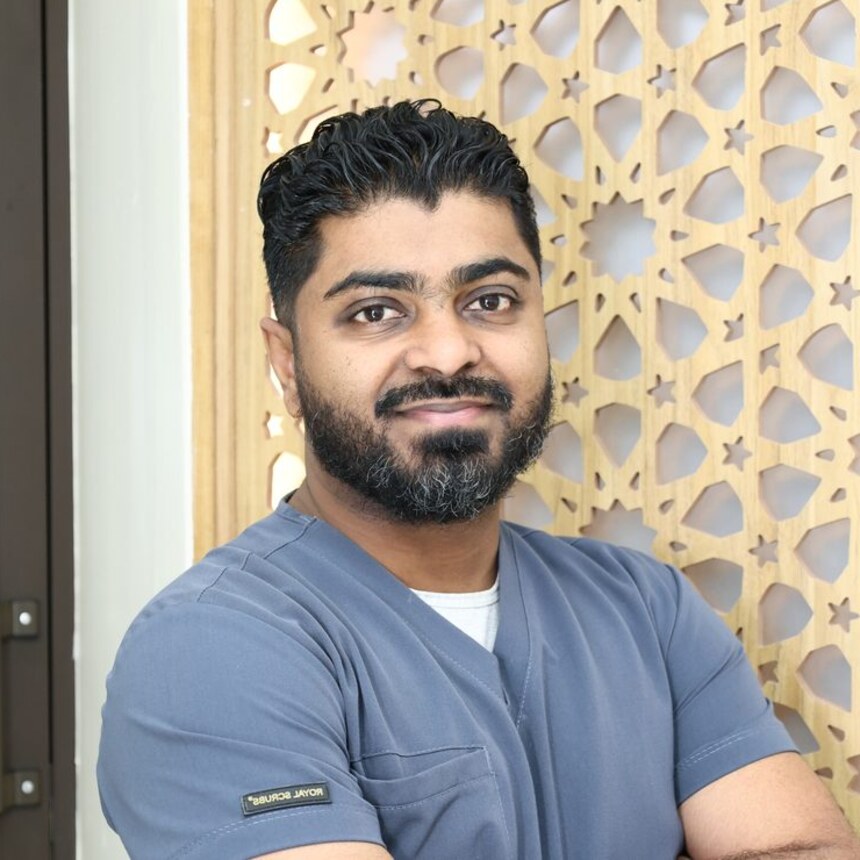
Dr. Ebrahim Yusuf Ebrahim
Consultant Physician · Interventional Endocrinologist & Diabetologist
One of the first doctors in Kenya to bring minimally invasive thermal ablation — microwave and radiofrequency — to the treatment of thyroid nodules and goitre, sparing patients from surgery. He provides consultant-led care for Graves' disease and thyroid eye disease — combining specialist assessment, Clinical Activity Score grading and coordinated endocrine and ophthalmology management.
- MMed, Internal Medicine — University of Nairobi
- PG Diploma, Endocrinology & Diabetes — Royal College of Physicians, Ireland
- Fellowship, Endocrinology & Diabetes — University of Alexandria, Egypt
- Certificate in Interventional Thyroidology — Mumbai, India
- Special focus: thermal ablation (RFA & microwave) for thyroid nodules
Refer a patient with thyroid eye disease
We welcome referrals of patients with suspected or confirmed thyroid eye disease from family physicians, optometrists, ophthalmologists and endocrinologists. Your patient receives consultant assessment, activity and severity grading and a clear management plan — with prompt escalation of any sight-threatening features.
Grade activity & severity
A structured assessment with a Clinical Activity Score, exophthalmometry and optic-nerve checks — so the disease is properly characterised, not just noted.
Coordinated eye & thyroid care
We manage the thyroid and inflammation and work alongside ophthalmology for surface disease, orbital and lid surgery — timed to the disease phase.
Urgent red flags
Any suspicion of compressive optic neuropathy or corneal exposure is escalated the same day. Please refer urgently if vision, colour or the cornea is affected.
Simple to refer
Share the clinical details and any recent thyroid results on WhatsApp or email; we assess promptly and report back clearly.
Book your thyroid eye disease consultation
If you have thyroid eye disease, or eye symptoms alongside a thyroid condition, booking is simple. Message us on WhatsApp or book online, and we'll arrange an assessment — with any urgent, sight-threatening features seen without delay.
Bring any recent thyroid blood tests, previous eye clinic letters or scans, and a referral letter if you have one; they help us move quickly. Sending your results in advance means we can review them before your visit — no obligation.
Where to find us
Doctors Park, 3rd Floor, 3rd Parklands Avenue, Nairobi
+254 706 651 416
+254 711 781 299
Languages: English · Kiswahili · Somali
Medically reviewed by Dr. Ebrahim Yusuf Ebrahim, Consultant Physician & Interventional Endocrinologist. Clinical figures are ranges from peer-reviewed studies, provided for general education — individual results vary and are confirmed at your review.
Related conditions & services
Protect your sight — get your eyes assessed
Thyroid eye disease responds best to early, specialist care. Book a consultation online, or send us your recent thyroid results on WhatsApp and we'll advise on the next step — with any urgent eye symptoms seen without delay.
