
Thyroid surgery (thyroidectomy) — expert guidance in Nairobi
Thyroid surgery is a safe and effective treatment for selected thyroid nodules, goitre, Graves' disease and thyroid cancer. But it is not the only option, and it is not always the right one. Every patient we see undergoes a full endocrine assessment first — so that surgery, when it is recommended, is the considered choice and not the default.
What is thyroid surgery?
Thyroid surgery, or thyroidectomy, is an operation to remove part or all of the thyroid gland — the small, butterfly-shaped gland at the base of the neck that makes the hormones controlling your metabolism, energy and many other body functions. Depending on the diagnosis, a surgeon may remove one lobe (half the gland) or the whole thyroid, sometimes with nearby lymph nodes.
Surgery is one of several ways to treat a thyroid problem, and it is reserved for situations where it offers a clear advantage — a nodule that is cancerous or suspicious, a goitre pressing on the windpipe, or an overactive gland that hasn't settled with other treatment. Many patients, however, are better served by observation, medication, radiofrequency ablation or radioiodine, depending on their diagnosis. Deciding which route fits you is exactly what the assessment is for.
Worth knowing
Surgery is a big decision, and it should never feel rushed. Our role is to establish the diagnosis precisely, explain every reasonable option honestly, and make sure that if you do proceed to an operation, it is genuinely the best choice for your thyroid — and for you.
When is thyroid surgery recommended?
Surgery is recommended only after careful assessment, and only where it offers a real benefit over the alternatives. These are the situations where an operation is most often the right answer.
Suspicious or cancerous nodules
Where a biopsy shows cancer, or a nodule has features suspicious for it, surgery is the definitive treatment — this is not a situation for RFA, which is only for benign, biopsy-proven nodules.
Learn more →
Large or compressive goitre
An enlarged thyroid pressing on the windpipe or gullet — causing breathlessness, a tight throat or difficulty swallowing — is often best relieved by removing the gland.
Learn more →
Graves' disease
When antithyroid medication and radioiodine aren't suitable or preferred — for example with a large goitre, severe eye disease or in pregnancy planning — surgery gives rapid, definitive control.
Learn more →
Toxic nodular disease
A toxic multinodular goitre or a toxic thyroid adenoma that is causing hyperthyroidism can be cured by removing the overactive tissue, particularly where the goitre is large.
Learn more →
Indeterminate biopsy results
Where repeated biopsies remain unclear and the risk of cancer cannot be excluded, a diagnostic operation (usually removing one lobe) both settles the diagnosis and treats the nodule.
Selected personal reasons
Occasionally a large or visible goitre is removed for well-considered cosmetic or symptom reasons — always discussed carefully, and never the primary reason on its own.
Surgery is never recommended in isolation. We weigh it against observation, medication, RFA and radioiodine at your assessment, so the decision is matched to your diagnosis and your circumstances — not to a single treatment we happen to offer.
Types of thyroid surgery
There is no single 'thyroid operation'. The extent of surgery is tailored to the diagnosis and to how much of the gland is involved — the aim is always to remove what needs to come out while preserving as much healthy tissue and function as possible.
Hemithyroidectomy (lobectomy)
Removal of one lobe — half the gland. Used for a nodule confined to one side, or as a diagnostic operation for an indeterminate result. Many patients keep normal thyroid function afterwards and need no hormone replacement.
Total thyroidectomy
Removal of the whole gland. Used for thyroid cancer, Graves' disease, a large bilateral goitre or widespread nodular disease. Lifelong levothyroxine replacement is needed afterwards, as the body can no longer make its own thyroid hormone.
Completion thyroidectomy
A second operation to remove the remaining lobe after an earlier hemithyroidectomy — usually when the pathology later confirms cancer that requires the whole gland to be removed.
Lymph node dissection
Where thyroid cancer has spread, or may have spread, to lymph nodes in the neck, these are removed alongside the thyroid in a carefully planned, compartment-based dissection.
Which operation is right depends on the biopsy result, the ultrasound findings and the distribution of disease — all reviewed in detail before any recommendation is made.
Preparing for surgery
Careful preparation makes surgery safer and recovery smoother. The exact steps are tailored to you, but this is what getting ready usually involves.
Specialist review & imaging
A full consultation, examination and thyroid ultrasound to map the gland and nodules, with a biopsy where indicated — so the diagnosis and the plan are clear before you go anywhere near an operating theatre.
Blood tests & gland function
Thyroid function tests and other bloods; an overactive thyroid is usually brought under control with medication first, so you are in the safest possible state for anaesthesia.
Vocal cord & anaesthetic checks
For selected patients the vocal cords are checked with a simple laryngoscopy, and an anaesthetic review confirms you are fit for a general anaesthetic.
Medication adjustments
We advise which medicines to pause or continue — blood thinners in particular need careful planning — and never change these yourself without guidance.
Fasting & admission
You'll be given clear fasting instructions and an admission time, and we'll talk through what to bring and what to expect on the day so nothing comes as a surprise.
What happens during surgery?
The operation is carried out under general anaesthetic by an experienced thyroid surgeon. You are asleep throughout and feel nothing — here is what happens while you are.
General anaesthetic
You are put fully to sleep and monitored closely by the anaesthetic team for the whole procedure.
A small neck incision
A short, carefully placed incision is made low in the neck, usually within a natural skin crease so the eventual scar is as discreet as possible.
Protecting the key structures
The surgeon carefully identifies and preserves the recurrent laryngeal nerves that control the voice, and the parathyroid glands that manage calcium — the two structures that matter most in thyroid surgery.
Removing the thyroid tissue
The affected lobe or the whole gland is removed, along with any lymph nodes that need to come out, and sent for detailed pathology examination.
Closure & recovery room
The wound is closed with fine sutures or clips, and you are woken and monitored in the recovery room before returning to the ward.
Meticulous identification of the nerves and parathyroid glands is what keeps complications rare — it is the single most important reason to have thyroid surgery in experienced, high-volume hands.
Recovery after surgery
Most people recover from thyroid surgery more quickly and comfortably than they expect. Here's the typical path from the operation to getting back to normal life.
Everyone heals at their own pace. We give you clear written aftercare advice and a point of contact, so you always know what is normal and when to get in touch.
Your recovery at a glance
- Hospital stay: often just one night, sometimes a day case or two nights, depending on the operation and how you feel.
- Pain: usually mild and well managed with simple painkillers — most describe a sore throat and neck stiffness rather than severe pain.
- Wound & scar: the incision is closed neatly; the scar fades steadily over the following months and usually settles into a fine line.
- Voice: your voice may be a little weak or husky at first and typically recovers over days to weeks as any bruising of the nerve settles.
- Return to activity: light activity within a few days, back to most work in one to two weeks, with heavier exercise and driving resumed as you feel comfortable and pain-free.
- Follow-up: a wound check, your pathology results and a review of whether you need thyroid hormone or calcium are all arranged after you go home.
Risks and possible complications
Thyroid surgery is safe, and serious complications are uncommon in experienced hands — but no operation is without risk, and you deserve the honest picture before you decide.
Bleeding
A small risk of bleeding in the neck in the first hours after surgery, which is why you are monitored closely; it is rare but occasionally needs prompt attention.
Voice change
The recurrent laryngeal nerve controls the voice. Temporary hoarseness is not unusual and settles; permanent voice change is uncommon when the nerve is carefully identified and preserved.
Low calcium
The parathyroid glands manage calcium and can be temporarily bruised, causing tingling or cramps that are easily treated with calcium and vitamin D. Permanent low calcium (hypoparathyroidism) is uncommon.
An underactive thyroid
After a total thyroidectomy the body can no longer make thyroid hormone, so a daily levothyroxine tablet is needed for life — an expected, planned outcome rather than a complication.
Learn more →
Wound & infection
As with any operation there is a small risk of wound infection or a collection under the skin; both are uncommon and readily treated.
Scar
A neck scar is unavoidable but is placed in a skin crease and usually fades to a fine, discreet line over time.
The most important factor in keeping these risks low is having your surgery assessed and planned properly and carried out by an experienced team — which is exactly the standard we hold ourselves to.
Life after thyroid surgery
For most people, life after thyroid surgery is entirely normal — the operation treats the problem and you get on with things. What follow-up you need depends on how much of the gland was removed and why.
After a total thyroidectomy you take one daily levothyroxine tablet to replace the hormone your thyroid used to make, and we fine-tune the dose with periodic blood tests until you feel well. Calcium is checked and, if needed, supplemented for a while. Where surgery was for cancer, structured surveillance — blood tests and scans at planned intervals — keeps a careful eye out for any recurrence. Pregnancy, exercise and travel are all perfectly possible; we simply make sure your thyroid levels are right for each.
Care that continues
Long-term follow-up is part of the treatment, not an afterthought. Whether it's balancing your levothyroxine, keeping calcium steady or watching for recurrence after cancer surgery, we stay with you for the long run.
Surgery vs RFA vs radioiodine
Surgery is one of four broad ways to manage a thyroid problem. None is 'best' in the abstract — the right one depends on your diagnosis, your goals and your circumstances. Here's how they compare.
Observation
Many benign, non-growing nodules and small goitres need no treatment at all — just periodic ultrasound and blood tests to make sure nothing changes.
Radiofrequency ablation
For a benign, biopsy-proven nodule, RFA shrinks it through the skin under local anaesthetic — no general anaesthetic, no scar, and normal thyroid function usually preserved.
Learn more →
Radioiodine therapy
A single oral dose that definitively calms an overactive thyroid without surgery — well suited to Graves' disease and toxic nodular disease in the right patient.
Learn more →
Thyroid surgery
Removes part or all of the gland. The definitive choice for cancer, a large compressive goitre, or where other treatments aren't suitable — immediate and conclusive.
We talk all of these through at your consultation, alongside your scan and biopsy results, so the decision is genuinely yours — informed, unhurried and matched to your diagnosis.
Thyroid surgery — your questions answered
You will have a scar, but it is placed low in the neck within a natural skin crease so it is as discreet as possible, and it fades steadily over the months after surgery — most settle into a fine, pale line. We can talk through scar care to help it heal well.
Most people are surprised by how manageable it is. You'll typically have a sore throat and some neck stiffness rather than severe pain, and this is well controlled with simple painkillers. Significant pain is unusual.
Often just one night. Some operations are done as a day case, and occasionally a two-night stay is advised — it depends on the extent of surgery and how you feel afterwards. We tell you what to expect in advance.
Your voice may be a little weak or husky for a short time after surgery, which usually settles over days to weeks. Permanent voice change is uncommon because the nerve controlling the voice is carefully identified and protected throughout the operation.
It depends on the operation. After removal of the whole thyroid you take one daily levothyroxine tablet for life to replace the hormone your gland used to make. After removal of only one lobe, many people keep normal thyroid function and need no replacement at all.
When the whole gland is removed, the original problem cannot recur in the thyroid. After removal of one lobe, a new nodule can occasionally develop in the remaining side, which is why some follow-up continues. Where surgery was for cancer, structured surveillance is arranged.
Most people return to office or light work within one to two weeks. Heavier or more physical jobs may need a little longer. We advise you based on your operation and how your recovery is going.
Light activity and gentle walking can start within a few days. Driving is resumed once you can move your neck comfortably and are off strong painkillers, and heavier exercise as you feel pain-free — usually within a couple of weeks.
The parathyroid glands that control calcium sit next to the thyroid and can be temporarily bruised during surgery, sometimes causing tingling or cramps that are easily treated with calcium and vitamin D. Permanent low calcium is uncommon, and we check your levels after the operation.
Yes. Thyroid surgery does not affect fertility. If you take levothyroxine afterwards, your dose is simply monitored and adjusted during pregnancy to keep your levels right for you and your baby.
Not always. Many thyroid problems are better managed with observation, medication, radiofrequency ablation or radioiodine. Surgery is reserved for situations where it offers a clear benefit. That is exactly why we assess every patient fully before recommending an operation — send us your results and we'll advise honestly.
Yes, once your wound has healed and your recovery is settled. If you take levothyroxine, we make sure your dose is stable and you carry enough medication. We'll advise on timing based on your operation.
Surgery as a considered choice, not a default
- Consultant endocrinologist assessment before any operation is recommended
- Advanced in-house thyroid ultrasound and biopsy interpretation to establish the diagnosis precisely
- Surgery weighed honestly against observation, medication, RFA and radioiodine — the fit for you comes first
- Personalised treatment planning and coordination with experienced thyroid surgeons
- Multidisciplinary care spanning endocrinology, surgery, pathology and nuclear medicine
- Structured lifelong follow-up — hormone balance, calcium and cancer surveillance where needed
Your care journey
Assess
Confirm the diagnosis with examination, ultrasound and biopsy where indicated.
Decide
Weigh surgery against observation, medication, RFA and radioiodine — a shared, informed choice.
Plan
Coordinate the right operation with an experienced surgeon and prepare you properly.
Follow up
Balance hormones and calcium, and watch for recurrence where surgery was for cancer.
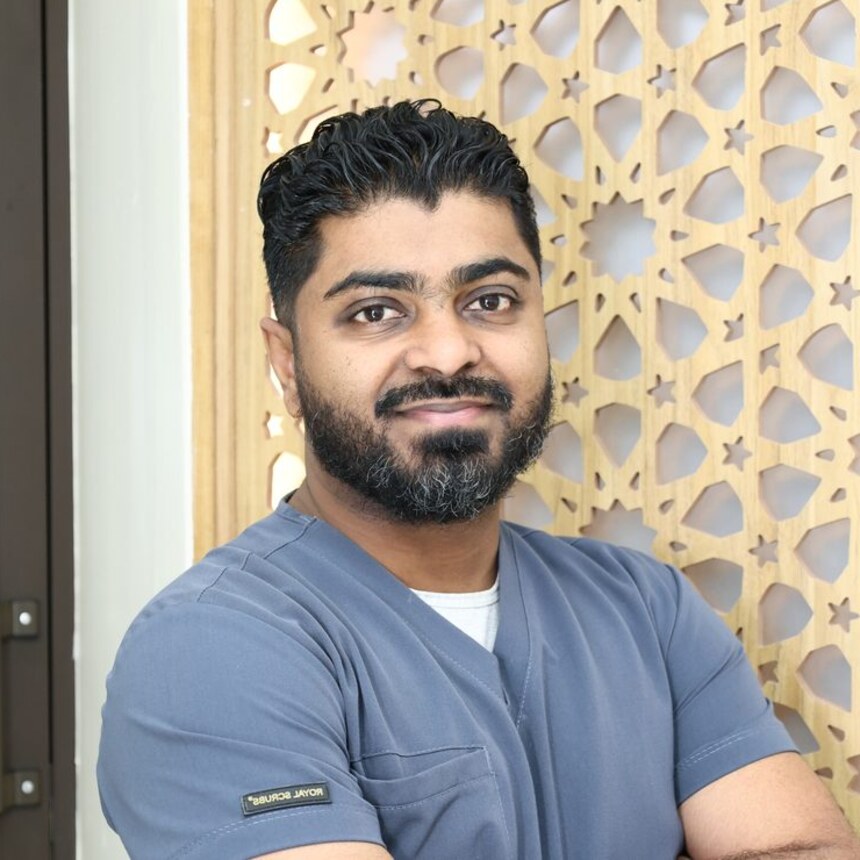
Dr. Ebrahim Yusuf Ebrahim
Consultant Physician · Interventional Endocrinologist & Diabetologist
One of the first doctors in Kenya to bring minimally invasive thermal ablation — microwave and radiofrequency — to the treatment of thyroid nodules and goitre, sparing patients from surgery. He assesses every patient personally before surgery is recommended — confirming the diagnosis and weighing an operation against observation, medication, RFA and radioiodine, so the plan is genuinely matched to you.
- MMed, Internal Medicine — University of Nairobi
- PG Diploma, Endocrinology & Diabetes — Royal College of Physicians, Ireland
- Fellowship, Endocrinology & Diabetes — University of Alexandria, Egypt
- Certificate in Interventional Thyroidology — Mumbai, India
- Special focus: thermal ablation (RFA & microwave) for thyroid nodules
Refer a patient for thyroid surgery assessment
We welcome referrals from GPs, physicians, surgeons, oncologists and nuclear medicine colleagues for the assessment of patients who may need thyroid surgery. Your patient receives a full consultation, in-house imaging and biopsy review, and a clear, individualised plan — with surgery weighed properly against the alternatives.
Complete assessment
Consultation, examination, thyroid function testing, ultrasound and review of any biopsy results to establish the diagnosis and the indication for surgery.
The full range of options
Surgery, radiofrequency ablation, radioiodine, medication and observation — so the treatment is matched to the diagnosis, not to what's available.
Operative planning
Where surgery is indicated, we plan the extent of the operation and coordinate with experienced thyroid surgeons, keeping you informed throughout.
Simple to refer
Share the clinical details or your patient's previous scans and results on WhatsApp or by email; we assess promptly and report back clearly.
Book your thyroid surgery consultation
Considering thyroid surgery, or been told you might need it? Book a consultation or message us on WhatsApp. Your assessment covers your history and examination, blood tests, an ultrasound and a review of any biopsy results, and a full, unhurried discussion of surgery, RFA, radioiodine and observation.
Bring any previous thyroid blood results, scans or biopsy reports if you have them — they help us confirm the diagnosis and plan accurately. Not sure whether surgery is really necessary? Send us your results on WhatsApp and we'll advise honestly, with no obligation.
Where to find us
Doctors Park, 3rd Floor, 3rd Parklands Avenue, Nairobi
+254 706 651 416
+254 711 781 299
Languages: English · Kiswahili · Somali
Medically reviewed by Dr. Ebrahim Yusuf Ebrahim, Consultant Physician & Interventional Endocrinologist. Clinical figures are ranges from peer-reviewed studies, provided for general education — individual results vary and are confirmed at your review.
Not sure surgery is the answer? Ask us first
Send us your thyroid results on WhatsApp and a specialist will advise honestly on whether surgery, RFA, radioiodine or simple monitoring fits your diagnosis — with no obligation. Or book your consultation online.
