


10+ Years of Thyroid Care Experience

Evidence Based Thyroid Care

5 Star Trust Rating on Google Search


5 Star Trust Rating on Google Search

10+ Years of Diabetic Foot Ulcer Care Experience

Evidence Based Diabetic Wound Care
Specialist Treatment for Diabetic Foot Ulcers
Diabetic wounds are slow-healing and high-risk due to neuropathy (diabetic nerve damage), infection, and poor blood circulation. Early, structured treatment is essential to prevent complications and amputation.

Our Treatment Approach
Comprehensive Assessment
Evaluation of wound severity, infection, blood supply, and neuropathy to guide care.
Debridement
Removal of dead tissue to promote healing and reduce infection risk.
Infection Management
Targeted antibiotic therapy and early detection of deep infections.
Offloading
Pressure relief using specialized footwear or casting to support healing.
Glycaemic Optimisation
Tight glucose control through medication and insulin adjustment.
Vascular Care
Assessment and referral for poor circulation where needed.
Advanced Therapies
Modern dressings, negative pressure therapy, and adjunctive treatments.
Success Story
From Amputation Risk to Healing — A Limb Saved
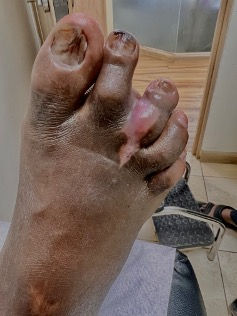
A patient travelled to our clinic from Somalia after being advised that he might require amputation due to a severe diabetic foot ulcer. The wound was advanced, with high risk of infection and poor healing.
On presentation, we performed a comprehensive assessment including:
-
Evaluation for Diabetic Neuropathy to determine loss of protective sensation
-
Vascular assessment for Peripheral Arterial Disease to evaluate blood supply to the foot
-
Infection severity assessment and wound staging
Based on these findings, we initiated a targeted, limb-salvage treatment plan:
-
Culture-directed antibiotic therapy to control infection
-
Advanced wound care with specialised dressings and debridement
-
Offloading strategies to reduce pressure on the affected area
-
Close monitoring and serial reassessment
BEFORE


Over time, the wound showed progressive healing, avoiding the need for amputation. The patient was able to recover function and return to daily activities.
This case highlights the importance of early specialist intervention, structured assessment, and multidisciplinary care in managing complex diabetic foot wounds.
AFTER

Supported by:


